Travel to Switzerland, Liechtenstein, Innsbruck and Bavaria
Day 11 Scheidegg - Lindau - Augusta Raurica - Basel - Messey-sur-Grosne (587 Km.)
(in 50 Km.) Lindau: We began our visit to Lindau by exploring the green areas and waterfront promenades located near the bridge connecting the island to the mainland. These spaces feature open lawns, walking paths, and viewpoints over Lake Constance (Bodensee) and the surrounding mountain ranges. Informational signs along the promenade explain the lake’s ecosystem, the history of shipping, and Lindau’s importance as a regional hub for commerce and transportation. From this area, we continued inland, passing by the railway station and across streets lined with residential and commercial buildings, gradually making our way toward the historic core of the town.
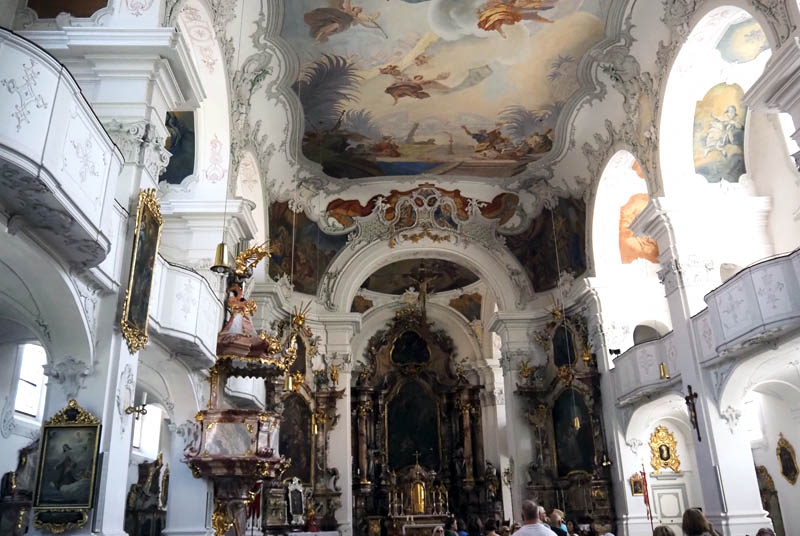
Lindau - Münster unserer Lieben Frau
As we approached the center, we arrived at St. Stephan’s Church and the Munster Unserer Lieben Frau, two significant religious landmarks located close to each other. St. Stephan’s Church dates back to the late 12th century and shows architectural changes from several periods. The Munster, also known as the Cathedral of Our Lady, is recognizable for its baroque interior and tall bell tower, a dominant feature of Lindau’s skyline. Nearby, many traditional houses are well preserved, with plaques providing information about their origins and historical functions. This part of town reflects the layered history of Lindau as a settlement that evolved through the medieval and Renaissance periods.
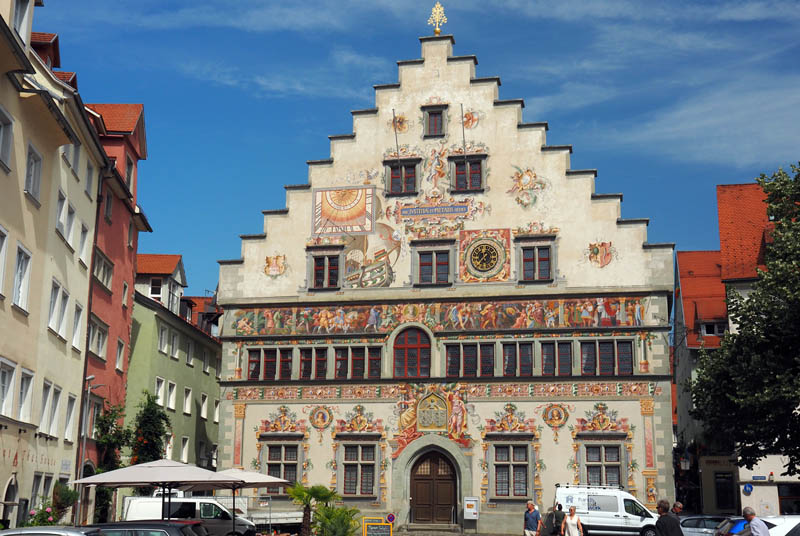
Lindau - Altes Rathaus
From the churches, we continued along smaller streets leading to Maximilianstrasse, the main pedestrian thoroughfare of Lindau. This street is lined with shops, cafés, and historically significant buildings. One of the most notable is the Old Town Hall (Altes Rathaus), which features a stepped gable roof and a facade decorated with frescoes depicting local historical scenes. A short distance away stands the Haus zum Cavazzen, home to the local museum, with an elaborately ornamented exterior. As we walked along Maximilianstrasse, we passed through small squares and intersecting streets, where plaques and signs describe Lindau’s membership in the Swabian League and its role as a medieval trading center.
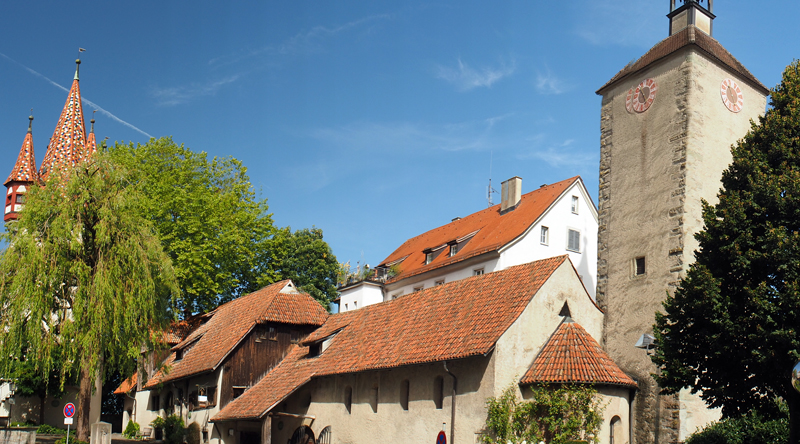
Lindau - Peterskirche
Our final destination in Lindau was the harbor, the most recognizable landmark of the town. The harbor entrance is marked by two prominent structures: the Bavarian Lion Statue, standing over six meters tall, and the Lindau Lighthouse, which is the only lighthouse in Bavaria. The lion represents Bavarian authority, while the lighthouse, still operational, serves as a guide for boats navigating the lake. From the harbor, there are clear views across Lake Constance to Austria and Switzerland, as well as ferries departing to other lakeside towns such as Bregenz and Friedrichshafen. Information panels explain the history of Lindau as a fishing and trading port and provide schedules for boat excursions. After exploring the harbor area, we returned to our vehicle, completing our circuit of the island.
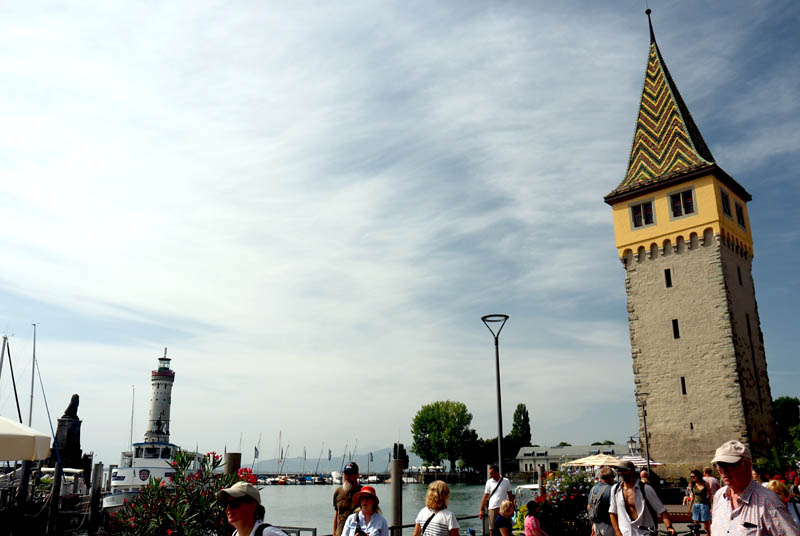
Lindau - Mangturm
(in 210 Km.) Augusta Raurica: Our next stop was Augusta Raurica, an archaeological site near Basel. This ancient Roman settlement was founded around 44 BC and became a major center in the region during the Roman Empire. The site includes extensive ruins such as a theater, temples, residential areas, and remnants of the city’s infrastructure, including aqueducts and sewers. Clearly marked paths guide visitors through the excavated areas, with panels explaining the function and history of each structure. The theater, which once held thousands of spectators, remains one of the best-preserved features and is still used today for cultural events and performances.
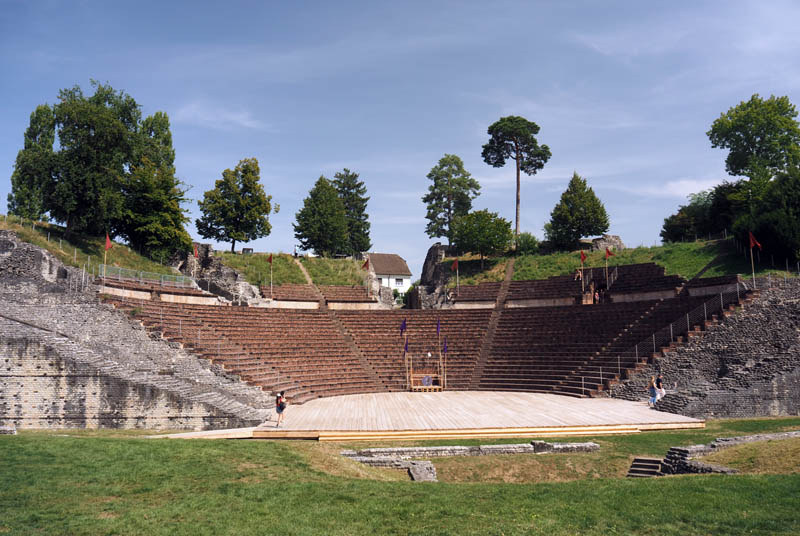
Augusta Raurica
Adjacent to the ruins, we visited the museum at Augusta Raurica, which displays artifacts discovered during excavations. The collection includes pottery, tools, coins, and statues that illustrate daily life in a Roman provincial town. Reconstructions and models help visitors visualize what the ancient city might have looked like at its peak. Educational exhibits explain Roman engineering, trade routes, and urban planning techniques. The site is organized into different zones, allowing visitors to explore at their own pace or join guided tours. After completing our visit, we departed for Basel, which is located only a short drive away.
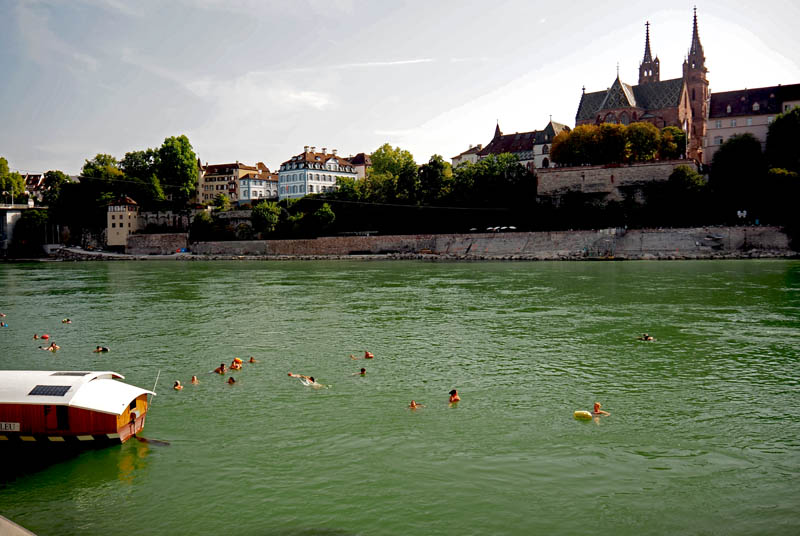
Basel - Rhine and Munster (Basel Cathedral)
(in 18 Km.) Basel: Upon reaching Basel, the temperature had risen to 36 degrees Celsius, making it an ideal opportunity to experience the city’s tradition of swimming in the Rhine River. Locals and visitors use waterproof bags called Wickelfisch to keep their belongings dry while floating downstream. We entered the river from a designated access point equipped with stairs and handrails, joining many others already swimming. The current carried us along a safe, marked section of the river, while safety signs provided guidance on swimming zones and boat traffic. Lifeguards and safety patrols were present to ensure that everyone followed the rules.
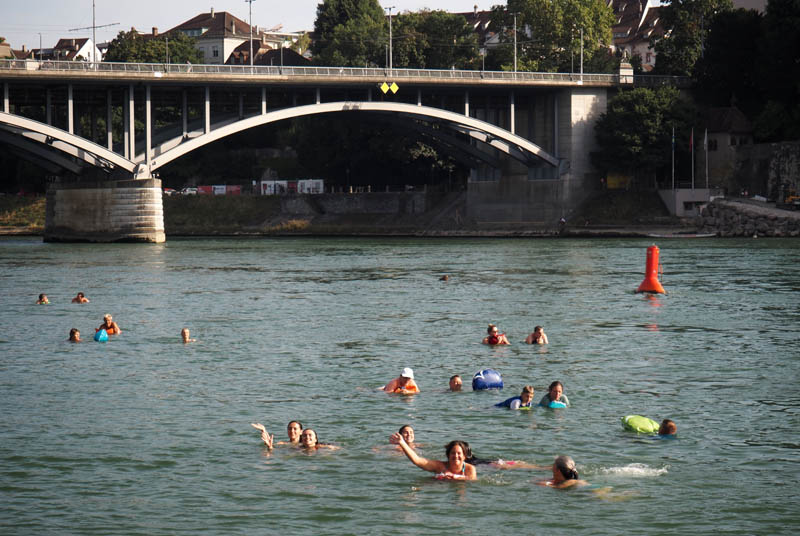
Basel - Swimming Rhine
After leaving the river at a designated exit point, we walked back along the riverbank to our starting location. This riverside path is popular with both swimmers and pedestrians and passes by bridges, parks, and riverfront buildings. From the water, we were able to see Basel’s skyline and several key landmarks from a unique perspective. Along the way, signs explained the history of this summer tradition, water quality measurements, and general safety recommendations. Once we finished our swim and dried off, we prepared for the final stop of our visit.
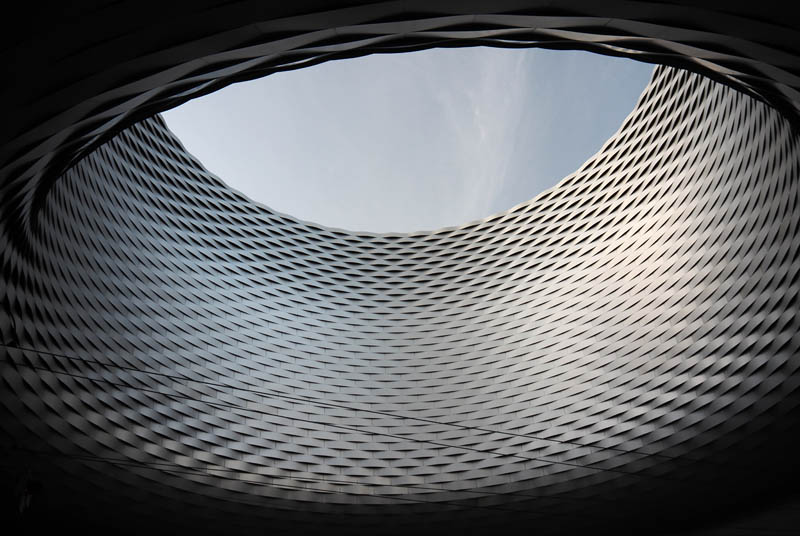
Basel - Messe Basel
Before leaving Basel, we stopped briefly at the Messe Basel, an exhibition and convention center located near our parking area. The complex is known for its contemporary architecture, especially the City Lounge, an open circular space that connects its buildings and allows natural light to enter. Informational panels outside describe the role of Messe Basel in hosting international trade fairs, conferences, and cultural events. While we did not have enough time to explore Basel’s historic center during this trip, our visit to Messe Basel offered a glimpse of the city’s modern side. We decided to leave the discovery of Basel’s old town for a future visit.
(in 309 Km.) Messey-sur-Grosne: We slept in this village, after having had dinner in Chalon-sur-Saône.